Complete Geosynthetic Lining Solutions: HDPE, Geomembrane & Geotextile for Industrial & Infrastructure Projects
With the rapid pace of industrialization, infrastructure development, and tightening environmental regulations, the demand for reliable and sustainable containment systems has grown significantly across India and globally. As a leading HDPE Lining Company in India, industries, government bodies, and EPC contractors are increasingly prioritizing solutions that not only ensure operational efficiency but also protect the environment and comply with regulatory standards.
Geosynthetic lining solutions—particularly HDPE lining, geomembranes, and geotextiles—have emerged as the backbone of modern containment and protection systems. These materials play a critical role in water conservation, waste management, soil stabilization, and environmental protection.
Understanding Geosynthetic Lining Systems
Geosynthetics are synthetic materials used in geotechnical engineering to improve soil behavior, control fluid movement, and enhance structural stability. The most commonly used geosynthetics include:
- Geomembranes (HDPE liners)
- Geotextiles (woven and non-woven fabrics)
- Geosynthetic Clay Liners (GCLs)
- Geogrids and geonets
Among these, geomembranes and geotextiles are the most widely used for lining and containment applications.
Geosynthetic lining systems are designed to:
- Prevent seepage and leakage
- Protect groundwater and soil
- Improve structural strength
- Enhance durability of infrastructure
- Ensure compliance with environmental standards
Geomembranes: The Core Barrier System
Geomembranes are impermeable synthetic membranes used for containment and seepage control. Among all types, HDPE geomembranes are the most popular due to their strength, chemical resistance, and long lifespan.
Key Features of Geomembranes
- Extremely low permeability
- High chemical resistance
- UV stability
- Long service life (25–50+ years)
- High tensile strength
Applications of Geomembranes
Geomembranes are widely used across industries and infrastructure projects:
1. Water Storage & Conservation
- Reservoir lining
- Irrigation ponds
- Drinking water storage systems
2. Waste Management
- Landfill liners
- Hazardous waste containment
- Leachate ponds
3. Industrial Applications
- Effluent treatment plants (ETP)
- Chemical storage ponds
- Mining tailings
4. Aquaculture
- Fish farming ponds
- Shrimp culture ponds
Geomembranes act as a primary barrier, preventing leakage and ensuring environmental safety.
HDPE Lining: The Industry Standard
HDPE (High-Density Polyethylene) lining is the most widely used geosynthetic solution for containment applications. It is a type of geomembrane known for its superior performance in harsh environmental conditions.
Why HDPE is Preferred
- High resistance to chemicals and acids
- Strong puncture resistance
- Excellent weldability for leak-proof joints
- Long-lasting performance
- Cost-effective over lifecycle
HDPE Lining Applications
1. Landfill Lining
Used in municipal solid waste and hazardous waste landfills to prevent contamination.
2. Pond & Reservoir Lining
Ensures water retention with minimal seepage.
3. Industrial Waste Containment
Prevents leakage of toxic effluents into soil and groundwater.
4. Mining Industry
Used in tailing ponds and heap leach pads.
5. Oil & Gas Sector
Applied in containment ponds and drilling waste storage.
Installation Process
HDPE lining installation involves:
- Surface preparation
- Liner placement
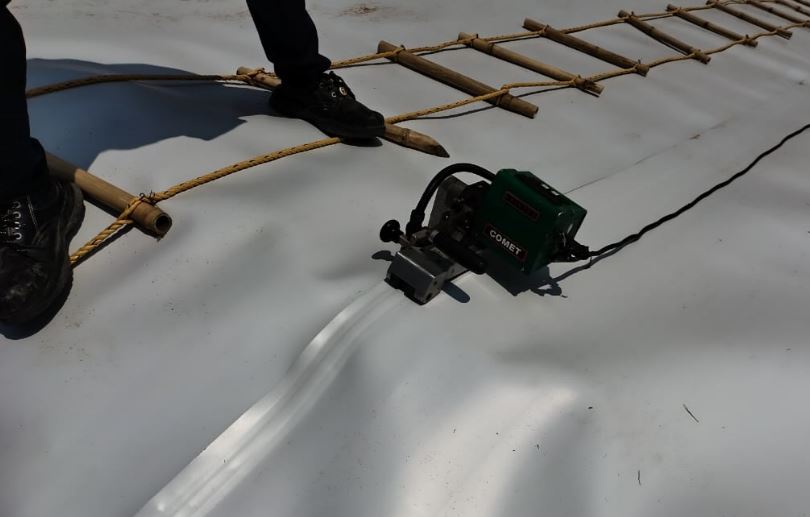
- Welding (hot wedge / extrusion welding)
- Testing (vacuum box, air pressure test)
- Quality assurance
Proper installation is critical to ensure long-term performance.
Geotextiles: Reinforcement & Protection Layer
Geotextiles are permeable fabrics used in conjunction with geomembranes to enhance the performance of lining systems.
Benefits of HDPE Lining:
Types of Geotextiles
- Woven Geotextiles – High strength, used for reinforcement
- Non-Woven Geotextiles – Used for filtration and protection
Functions of Geotextiles
- Protection of geomembrane from puncture
- Filtration of soil particles
- Drainage support
- Soil stabilization
- Load distribution
Applications
Geotextiles are used in:
- Road construction
- Riverbank protection
- Landfill systems
- Drainage systems
- Coastal protection
When combined with geomembranes, geotextiles significantly increase system durability.
Pond & Reservoir Lining Solutions
Water conservation is one of the biggest challenges today. Geosynthetic lining solutions offer an effective way to prevent water loss and improve storage efficiency.
Applications
- Agricultural irrigation ponds
- Drinking water reservoirs
- Fire water storage tanks
- Industrial water storage
- Decorative ponds
Benefits
- Near-zero seepage
- Reduced water loss
- Long lifespan
- Low maintenance
- Cost-effective solution
HDPE pond liners are particularly effective in regions facing water scarcity.
Landfill Lining & Waste Management
Landfill lining is one of the most critical applications of geosynthetic systems. Improper waste disposal can lead to severe environmental contamination.
Components of Landfill Lining System
- HDPE geomembrane
- Geotextile protection layer
- Drainage layer
- Geosynthetic clay liner (optional)
Types of Landfills
- Municipal solid waste landfills
- Industrial waste landfills
- Hazardous waste landfills
Benefits
- Prevents leachate leakage
- Protects groundwater
- Ensures regulatory compliance
- Enhances environmental safety
HDPE liners play a crucial role in maintaining long-term containment integrity.
Industrial Waste Containment
Industries generate large volumes of liquid waste, chemicals, and sludge. Proper containment systems are essential to prevent environmental damage.
Key Industries
- Chemical & pharmaceutical
- Power plants
- Oil refineries
- Mining operations
- Textile industries
Solutions
- HDPE lined ponds
- Effluent containment systems
- Chemical storage lagoons
These systems ensure safe handling and disposal of industrial waste.
Aquaculture Lining Solutions
Aquaculture is a rapidly growing industry, and geosynthetic lining plays a vital role in improving productivity and efficiency.
Benefits of HDPE Pond Liners
- Improved water retention
- Better control over water quality
- Increased yield of fish and shrimp
- Easy maintenance and cleaning
Aquaculture liners also reduce disease risks and improve operational efficiency.
Environmental Benefits of Geosynthetics
Geosynthetic solutions contribute significantly to sustainability and environmental protection.
Key Benefits
- Prevent soil and groundwater contamination
- Reduce water wastage
- Enable safe waste management
- Improve climate resilience
- Support eco-friendly infrastructure
These solutions align with global sustainability goals and environmental regulations.
Integrated Geosynthetic Systems
Modern infrastructure projects require integrated solutions that combine multiple geosynthetic materials.
Typical System Includes
- HDPE geomembrane (barrier)
- Geotextile (protection & filtration)
- GCL (secondary barrier)
- Drainage systems
Advantages
- Enhanced performance
- Reduced maintenance
- Long-term durability
- Better cost efficiency
Integrated systems are widely used in:
- Landfills
- Reservoirs
- Industrial containment
- Coastal protection
Quality Control & Installation Standards
The success of geosynthetic systems depends heavily on proper installation and quality control.
Key Practices
- Surface preparation
- Certified welding techniques
- Seam testing (vacuum, air pressure)
- Material testing
- Third-party inspection
Standards
- CPCB guidelines (India)
- MoEF&CC regulations
- ASTM & ISO standards
Adhering to these standards ensures system reliability and longevity.
Choosing the Right Contractor
Selecting an experienced contractor is crucial for project success.
Key Factors to Consider
- Experience in similar projects
- Skilled workforce
- Advanced equipment
- Quality assurance practices
- Compliance with standards
A professional contractor ensures proper execution, minimizing risks and maximizing performance
Future of Geosynthetic Solutions
The demand for geosynthetics is expected to grow rapidly due to:
- Increasing environmental regulations
- Infrastructure expansion
- Water scarcity challenges
- Industrial growth
Innovations such as smart liners, advanced materials, and hybrid systems will further enhance performance and sustainability.
Conclusion
Geosynthetic lining solutions—including HDPE lining, geomembranes, and geotextiles—are essential for modern industrial and infrastructure projects. They provide reliable, durable, and cost-effective solutions for water conservation, waste management, and environmental protection.
By adopting advanced geosynthetic systems, industries and governments can ensure:
- Long-term infrastructure performance
- Environmental safety
- Regulatory compliance
- Sustainable development
As the world moves towards more resilient and eco-friendly infrastructure, geosynthetics will continue to play a critical role in shaping the future.