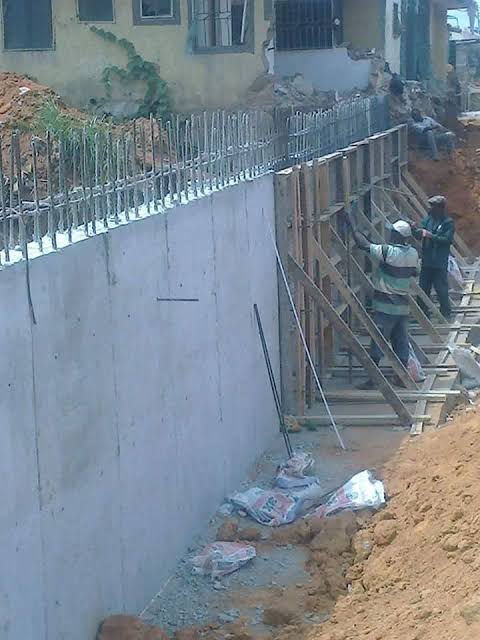
Importance of Retaining Walls in Infrastructure Development
Infrastructure development is the backbone of modern civilization. From highways and railways to bridges, residential complexes, and industrial zones, every project depends on a stable and reliable foundation. Behind the success of these developments lies a crucial yet often overlooked structural element—the retaining wall.
A retaining wall is not just a support system; it is a critical engineering solution that ensures safety, stability, and efficient land utilization. Whether constructed by a retaining wall contractor, an RE Wall contractor, an RS wall contractor, or a specialized retaining wall construction company, these structures form the base of long-lasting infrastructure.
In modern construction, specialized contractors such as gabion wall contractors, gabion retaining wall construction companies, and block facia retaining wall contractors and companies play a vital role in delivering tailored solutions for diverse site conditions
This article explores in depth why retaining walls are essential in infrastructure projects, their functions, types, benefits, applications, and the role of specialized contractors in modern engineering.
What is a Retaining Wall?
A retaining wall is a structural system designed to resist lateral earth pressure and hold soil in place when there is a difference in ground elevation. These walls are essential in areas where natural slopes are unstable or where construction activities require land modification.
A professional retaining wall contractor ensures that the wall is designed based on soil conditions, load requirements, and environmental factors. Without expert involvement, retaining walls may fail, leading to costly damages and safety risks.
Retaining walls are commonly used in:
- Highways and expressways
- Railway embankments
- Bridge abutments
- Residential and commercial developments
- Industrial zones
- Coastal and flood-prone areas
A reliable retaining wall construction company ensures that these structures are built with precision, durability, and compliance with engineering standards.
Role of Specialized Retaining Wall Contractors
Modern infrastructure projects require specialized expertise. Different types of retaining walls demand different construction techniques and materials. This is where specialized contractors come into play.
Retaining Wall Contractor
A retaining wall contractor is responsible for the design, planning, and execution of retaining wall systems. They ensure structural integrity, safety compliance, and long-term performance.
RE Wall Contractor
An RE Wall contractor specializes in Reinforced Earth (RE) walls, also known as Mechanically Stabilized Earth (MSE) walls. These systems use geogrids or metallic reinforcements to stabilize soil, making them ideal for highways, flyovers, and large infrastructure projects.
RS Wall Contractor
An RS wall contractor focuses on Reinforced Soil (RS) walls, which are widely used in infrastructure projects due to their flexibility, cost-effectiveness, and high load-bearing capacity.
Gabion Wall Contractor
A gabion wall contractor constructs walls using wire mesh baskets filled with stones. These are particularly effective in erosion control, riverbanks, and slope stabilization.
Gabion Retaining Wall Construction Company
A gabion retaining wall construction company provides complete solutions—from design to installation—ensuring proper drainage, flexibility, and environmental sustainability.
Block Facia Retaining Wall Contractor and Company
A block facia retaining wall contractor and company specializes in aesthetically appealing retaining walls using precast concrete blocks. These walls are widely used in urban landscaping and commercial developments.
Importance of Retaining Walls in Infrastructure Projects
1. Soil Stabilization and Slope Protection
One of the primary purposes of retaining walls is to stabilize soil and prevent slope failure. Soil naturally tends to move downhill due to gravity, and this movement increases when construction disturbs the ground.
A retaining wall contractor ensures that the wall is designed to counteract these forces effectively. RE Wall contractors and RS wall contractors use advanced reinforcement techniques to enhance stability, especially in:
- Hilly terrains
- Mountain roads
- Excavation sites
- Highway cuttings
By preventing soil movement, retaining walls ensure long-term infrastructure safety.
2. Prevention of Soil Erosion
Soil erosion is a major challenge, especially in areas with heavy rainfall or water flow. Without proper protection, water can wash away soil, weakening foundations.
Gabion wall contractors and gabion retaining wall construction companies provide highly effective solutions for erosion control. Their structures:
- Reduce water velocity
- Prevent soil displacement
- Allow natural drainage
- Protect landscapes
This makes them ideal for riverbanks, coastal areas, and drainage channels.
3. Creation of Usable Land
Uneven or sloped terrain often limits construction possibilities. Retaining walls help convert such land into flat, usable surfaces.
A block facia retaining wall contractor and company plays a key role in urban development projects by creating terraces and level platforms. These are widely used in:
- Residential layouts
- Commercial developments
- Industrial zones
- Road construction
This maximizes land utilization and improves project feasibility.
4. Structural Support for Infrastructure
Retaining walls provide essential support to infrastructure elements such as:
- Roads and highways
- Bridges and flyovers
- Buildings and basements
- Railway tracks
A retaining wall construction company ensures that these structures are capable of resisting soil pressure and external loads, thereby enhancing durability and safety.
5. Flood and Water Management
Water pressure is one of the biggest threats to infrastructure. Poor drainage can lead to hydrostatic pressure buildup, causing wall failure.
Professional retaining wall contractors integrate advanced drainage systems to:
- Control water flow
- Reduce pressure buildup
- Prevent flooding
- Protect foundations
Gabion retaining wall construction companies are especially effective in water management due to their permeable design.
6. Landslide Prevention
In mountainous regions, landslides pose serious risks to infrastructure and human life. Retaining walls act as protective barriers that prevent soil mass from sliding.
RE Wall contractors and RS wall contractors design reinforced systems that significantly improve slope stability. These are widely used in:
- Hill roads
- Railway lines
- Coastal cliffs
7. Support for Transportation Infrastructure
Transportation systems rely heavily on retaining walls. Without them, roads and railways would be unsafe in uneven terrains.
Retaining wall contractors are involved in:
- Highway embankments
- Bridge approaches
- Metro rail systems
- Tunnel entrances
Their role ensures safe and uninterrupted transportation.
8. Improved Aesthetics and Urban Design
Retaining walls are not only functional but also enhance visual appeal.
Block facia retaining wall contractors and companies create aesthetically pleasing structures using:
- Concrete blocks
- Natural stone
- Brick
- Gabions
These walls are often integrated into landscaping projects, adding value to urban spaces.
9. Cost-Effective Construction Solution
Modern retaining wall systems are designed to be cost-efficient.
RE Wall contractors and retaining wall construction companies use MSE technology, which offers:
- Faster construction
- Reduced material usage
- Lower labor costs
In many cases, these systems reduce construction costs significantly compared to traditional methods.
10. Environmental Sustainability
Sustainability is a key focus in modern infrastructure.
Gabion wall contractors and retaining wall construction companies adopt eco-friendly practices such as:
- Using recycled materials
- Supporting vegetation growth
- Reducing land disturbance
- Managing stormwater
Green retaining walls also promote biodiversity and environmental balance.
Types of Retaining Walls
Gravity Retaining Walls
Rely on their own weight for stability. Suitable for smaller applications.
Cantilever Retaining Walls
Made of reinforced concrete and used in large-scale projects.
Anchored Retaining Walls
Use anchors or cables for additional support in high-load conditions.
Sheet Pile Walls
Ideal for soft soils and waterfront construction.
Mechanically Stabilized Earth (MSE) Walls
Constructed by RE Wall contractors using reinforcement materials.
Gabion Walls
Built by gabion wall contractors using stone-filled wire baskets.
Block Facia Retaining Walls
Installed by block facia retaining wall contractors and companies for both strength and aesthetics.
Key Design Considerations
A professional retaining wall contractor ensures proper design based on:
- Soil analysis
- Drainage systems
- Load calculations
- Material selection
- Safety factors (sliding, overturning, failure)
Applications of Retaining Walls
Retaining walls are used across various sectors:
Highways and Roads
Stabilize embankments and prevent slope failure.
Railways
Support tracks in uneven terrains.
Bridges
Provide structural support at abutments.
Urban Development
Create level surfaces for buildings and landscapes.
Coastal Protection
Prevent erosion and wave damage.
Industrial Projects
Ensure land stability in large-scale developments.
Advantages of Retaining Walls
- Prevent soil erosion
- Stabilize slopes
- Increase usable land
- Improve safety
- Enhance aesthetics
- Support infrastructure
- Manage water flow
Challenges and Limitations
Despite their benefits, retaining walls require:
- Expertise from a qualified retaining wall contractor
- Proper drainage design
- Regular maintenance
- Initial investment in some cases
However, these challenges can be effectively managed with the right retaining wall construction company.
Future of Retaining Walls in Infrastructure
The future of retaining walls is driven by innovation and technology.
RE Wall contractors, RS wall contractors, gabion retaining wall construction companies, and block facia retaining wall contractors are adopting:
- Smart drainage systems
- Eco-friendly materials
- Advanced reinforcement technologies
- Automated construction techniques
These advancements are making retaining walls more durable, efficient, and sustainable.
Conclusion
Retaining walls are indispensable in modern infrastructure development. Whether it is a retaining wall contractor, RE Wall contractor, RS wall contractor, gabion wall contractor, gabion retaining wall construction company, or block facia retaining wall contractor and company, each plays a crucial role in ensuring stability, safety, and long-term performance.
Choosing the right retaining wall construction company is essential for the success of any infrastructure project. With proper design, expert execution, and innovative technologies, retaining walls will continue to shape the future of construction and engineering.